
Is Anyone Really Monogamous Anymore? How Social Media Is Rewriting Loyalty and Betrayal
I was on a run last week, deep into the SIX soundtrack for what was probably the ninth consecutive day — the way certain songs latch onto you and refuse to let go until they've said what they came to say. There's a moment in the show where one of Henry VIII's wives makes an offhand joke about the women who were, essentially, brought into the royal chambers under the polite fiction of "employment." The audience laughs. Hard. Not because it's shocking. Because it isn't. Four hundred years later, and the joke still lands — which means the joke was never really about the Tudors.
That's the sentence that stopped me mid-stride: What has actually changed?!
Not much, it turns out. We've just changed the venue…
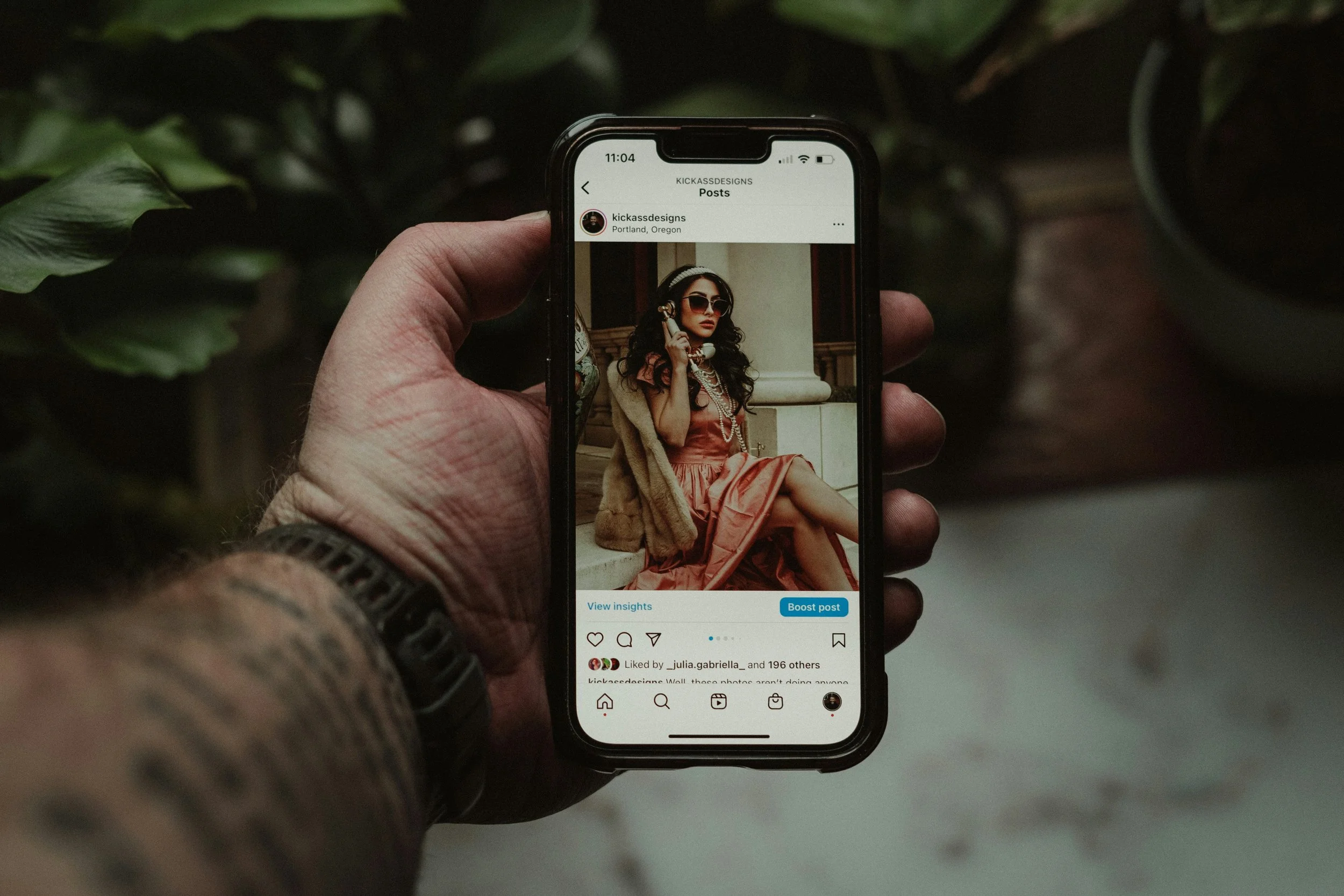
The private chamber used to be a literal room down a literal hallway. Now it's a DM. A "like" on a photo from 2019. A follow that shows up in someone's activity log at 1:47 a.m. The betrayal is smaller in scale and infinitely more available — which somehow makes it both easier to commit and easier to deny. Nobody has to sneak anyone into a castle anymore. They just have to open an app.
I think about this constantly in my work with couples untangling betrayal trauma. The mechanics have modernized, but the psychology hasn't moved an inch. Secrecy still feels like power to the person keeping it. Discovery still lands in the body like a car crash, not a conversation. And loyalty — the thing we all claim to want — has quietly been redefined by a culture that treats attention as currency and calls it harmless because no clothes came off.
If any of this is landing a little too close to home, a therapy intensive is often where couples and individuals actually get traction on it — weekly sessions can feel too slow when betrayal is fresh and the nervous system is still in crisis mode.
So I want to ask the question plainly, the way we don't usually let ourselves: is anyone actually monogamous anymore, or have we just gotten better at calling the same old behavior something more socially acceptable?
What Social Media Actually Changed About Betrayal
Social media didn't invent infidelity. It didn't invent secrecy, or the wandering eye, or a marriage gone quiet in all the wrong ways. What it changed is the barrier to entry — removing nearly every obstacle that used to make a person pause long enough to reconsider. There's no getting dressed, no explaining where you're going, no risk of being seen leaving a hotel. There's just a thumb, a screen, and the particular privacy of a phone that never leaves your hand.
Why People Actually Stray — And Why It Isn't Usually About the Other Person
Most people don't set out to betray their partner. They set out to feel seen — wanted, slightly less invisible than they feel at home, at work, in a body that's been asked to hold too much for too long. Here's the part that actually interests me, clinically and personally: the affair, digital or otherwise, is rarely about the other person. It's about what the other person's attention temporarily fills.
That doesn't make it forgivable. It makes it explainable— which is a very different thing, and one I think we owe ourselves the honesty to sit with.
So this is where I want to spend some time: not just whether monogamy still exists, but what we're actually asking of it in a culture engineered to fracture attention into a thousand tiny, dopamine-shaped pieces. What loyalty even means when "I didn't do anything physical" has become a legitimate defense. And what it would take — individually, in a marriage, in a culture — to actually rebuild trust once the private chamber has a wifi password.
But for now: pour something, get comfortable, and ask yourself honestly — When's the last time you checked someone's activity status and told yourself it didn't mean anything?
Frequently Asked Questions
Is emotional cheating considered infidelity? Most betrayal trauma specialists, myself included, treat emotional infidelity as a real betrayal — not a lesser one. Secrecy, deception, and emotional investment outside the relationship cause the same nervous system response as physical infidelity, even when nothing "happened" physically.
How has social media changed betrayal in relationships? Social media hasn't created new betrayal behaviors — it's removed the friction that used to slow them down. Where secrecy once required physical effort (an alibi, a hotel, a getaway), it now requires only privacy settings and a phone that never leaves someone's hand. The psychology of betrayal hasn't changed; the accessibility has.
What is betrayal trauma? Betrayal trauma is the psychological injury that occurs when someone is harmed by a person or system they depended on for safety and trust — most commonly a romantic partner. It often produces symptoms similar to PTSD, including hypervigilance, intrusive thoughts, and difficulty trusting one's own perception of reality.
Can a relationship survive betrayal, digital or otherwise? Yes, though it requires more than an apology — it requires a rebuilding of transparency, consistency, and repair over time, often supported by a therapist trained specifically in betrayal trauma rather than general couples counseling.
Alexandria Lanza, LPC, LCADC, ATR-BC, LPAT, ACS is the founder of Jaded Hearts – Center for Healing in Montclair, NJ, specializing in betrayal trauma, women's life transitions, and perinatal mental health. Learn more about therapy intensives or couples therapy for betrayal recovery.